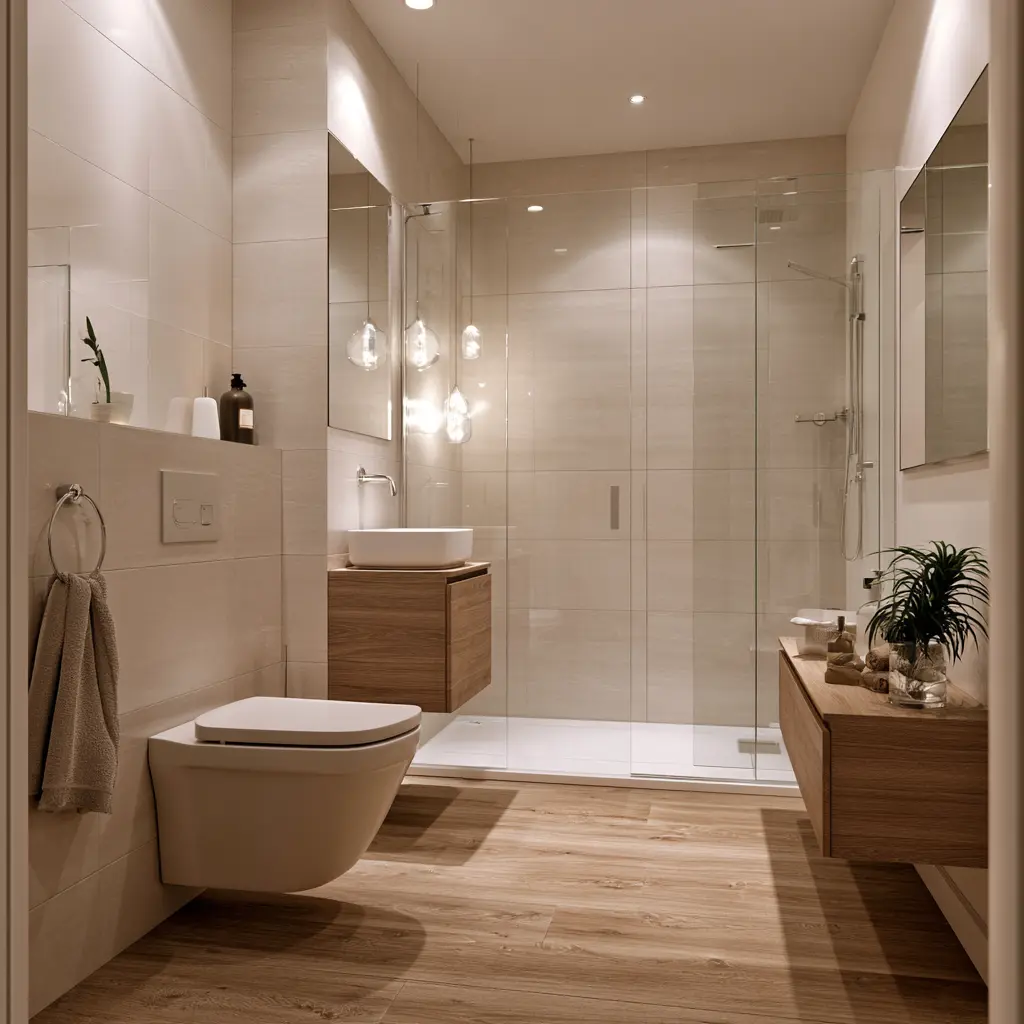
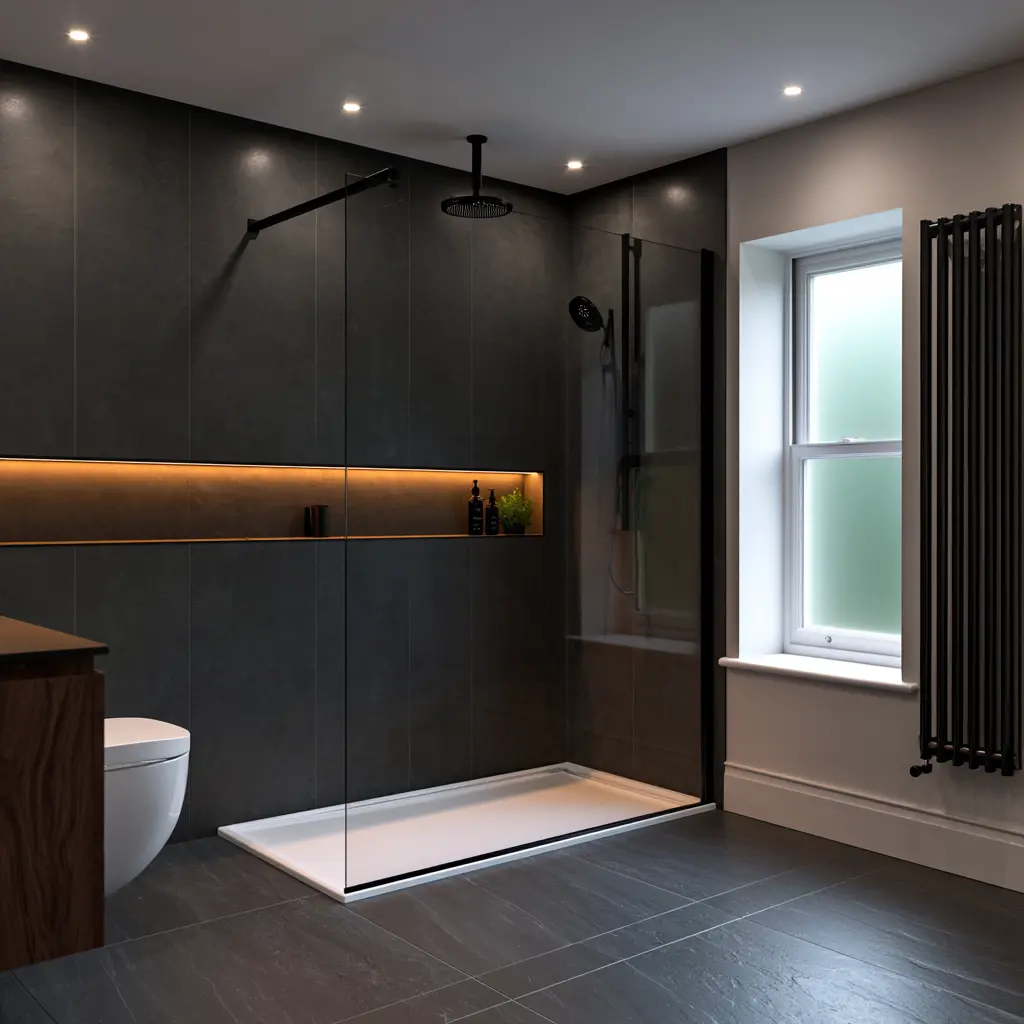
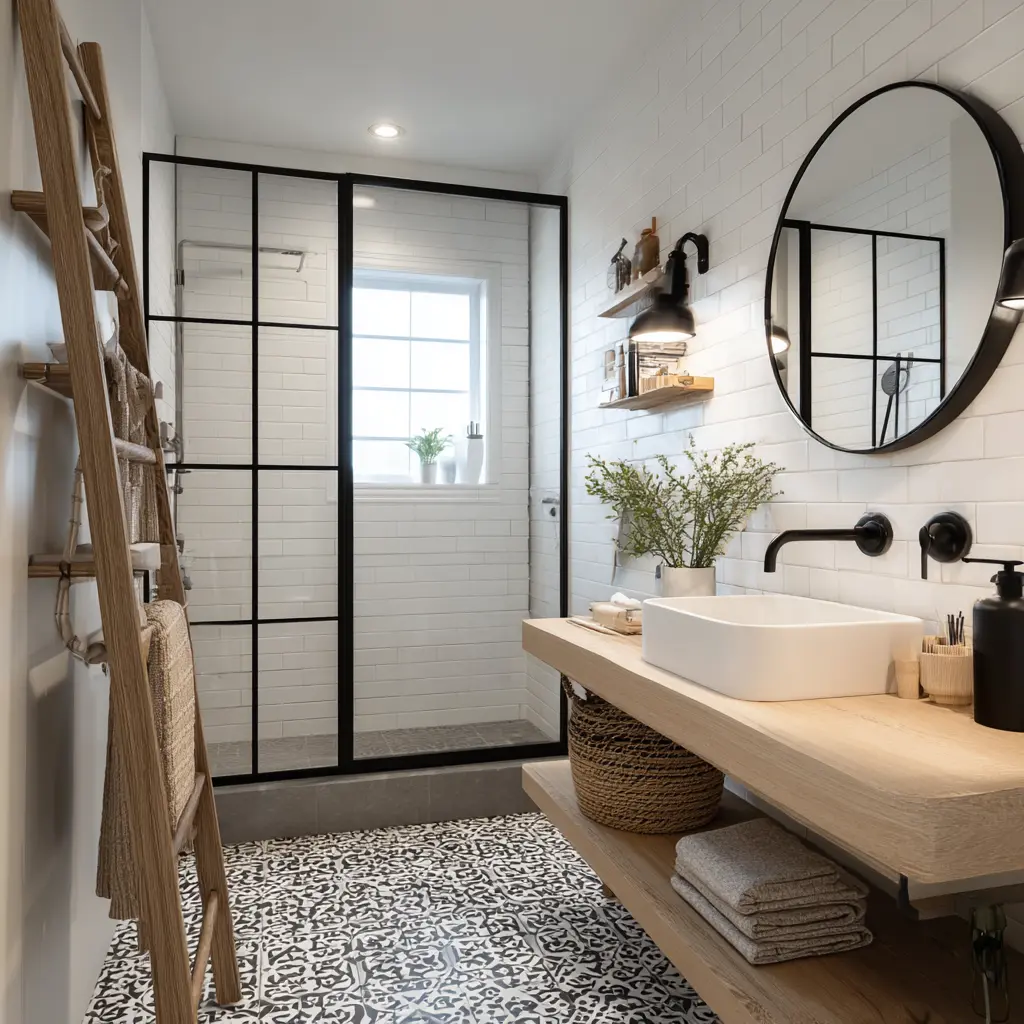
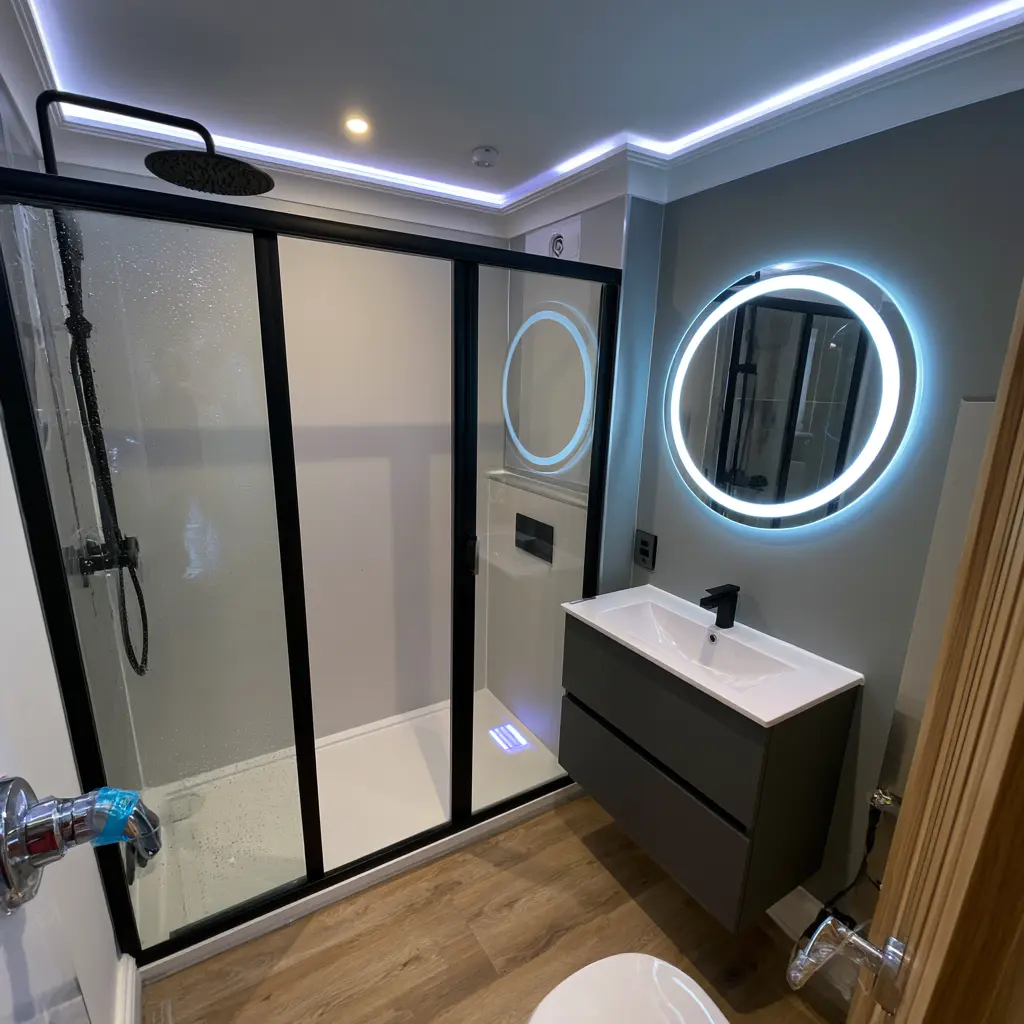
Summary
A new bathroom does not have one reliable fixed price. The final cost depends on preparation, layout changes, plumbing, electrical work, wall and floor finishes, products and the condition found after removal. Compare written scopes, not headline totals, and protect the parts that are difficult to replace later.
Why one headline price cannot describe every bathroom
A small like-for-like replacement and a room that needs layout changes, floor repairs, new electrics and premium fittings are different projects. The bathroom size matters, but the condition of the room and the amount of hidden work can matter just as much.
The most useful starting point is a measured survey followed by an itemised or clearly scoped quotation. That lets you see what is included rather than comparing two totals built on different assumptions.
The seven biggest cost drivers
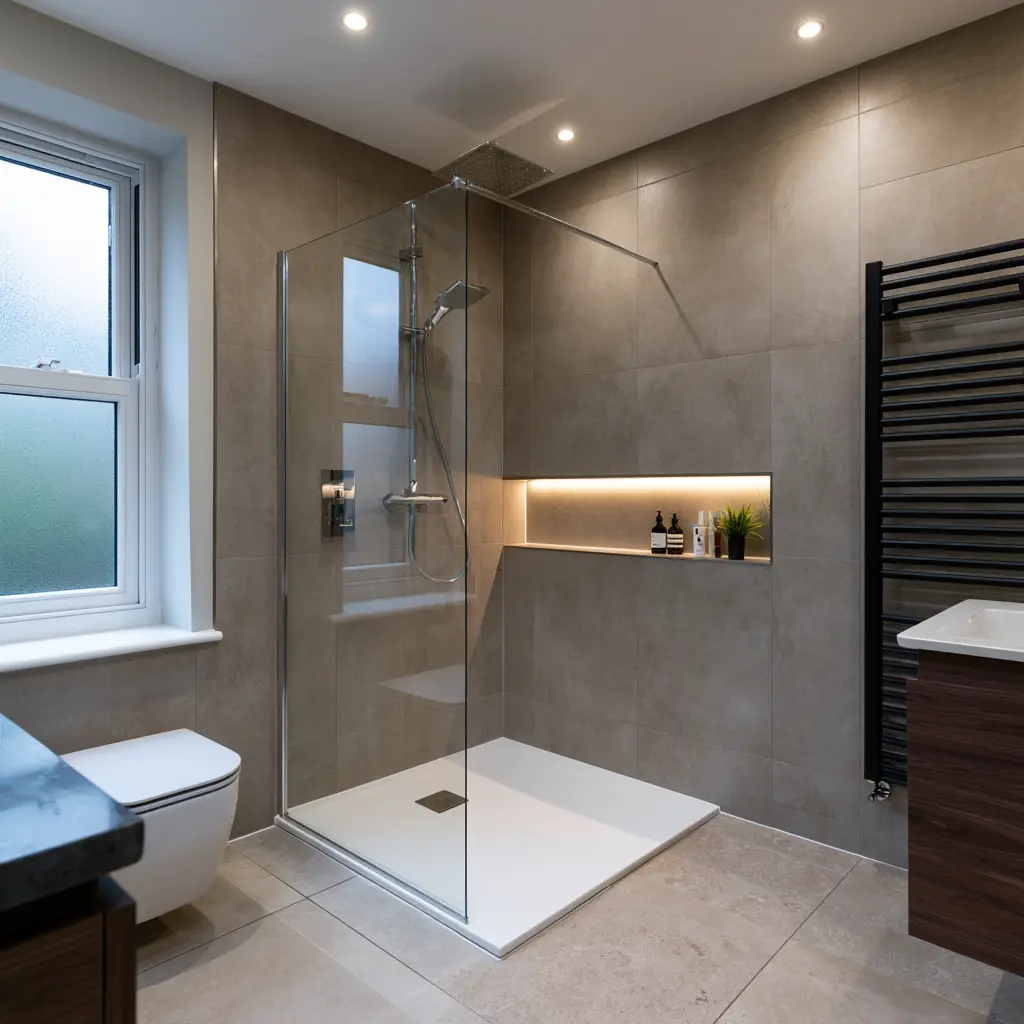
Moving drains and water pipes usually adds more labour than keeping the suite in the same positions. Fully tiled walls take longer than using panels, tiles and paint only where they are needed. Shower controls, furniture, taps and lighting also vary widely in price.
- Room preparation and repairs
- Layout and pipework changes
- Bath, tray or wet-room construction
- Wall and floor finishes
- Furniture and storage
- Electrical work, lighting and ventilation
- Product choices and finishing details
What a complete bathroom quote should clarify
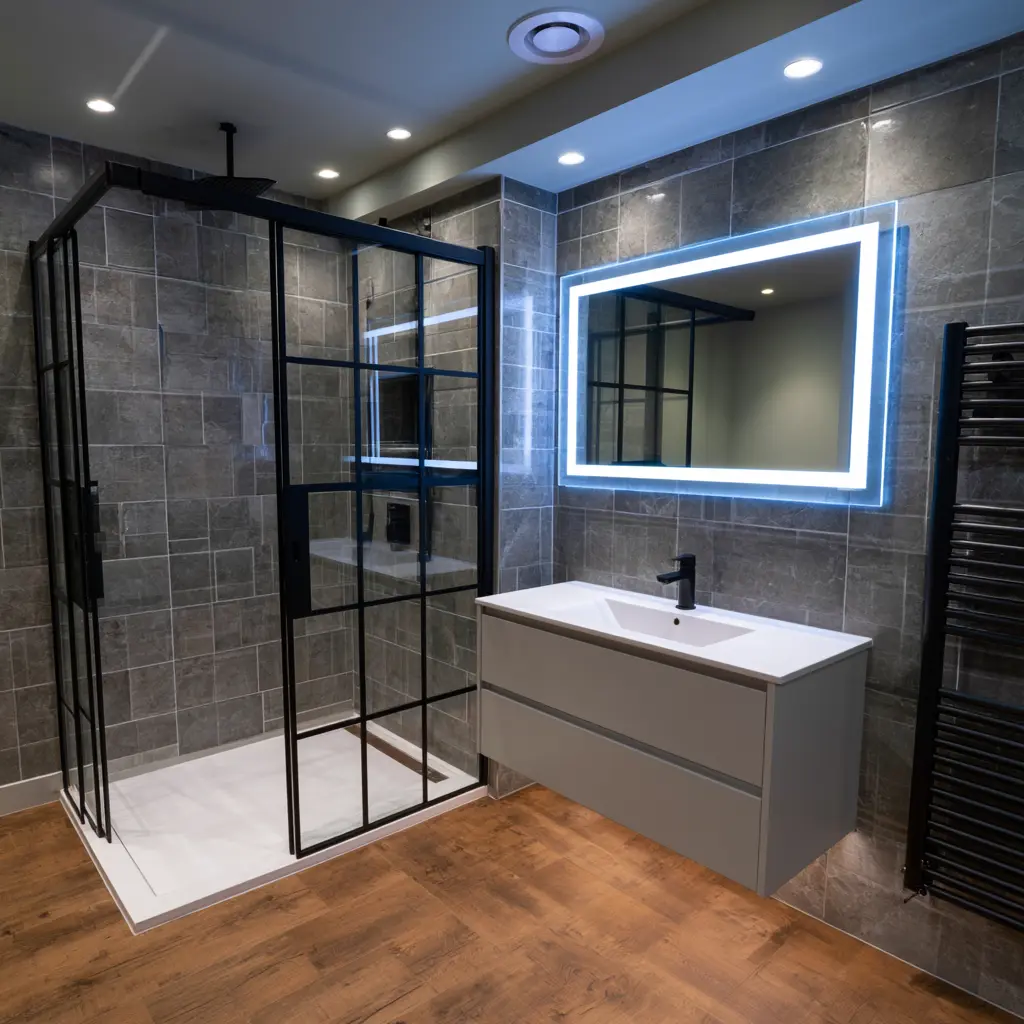
Ask whether removal, disposal, plumbing, electrical work, wall preparation, waterproofing, flooring, decoration and final sealing are included. Also check whether the quote is based on named products or broad allowances.
A lower total can become expensive if essential preparation and finishing are excluded. A clear scope protects both sides and makes later choices easier to control.
Where to spend and where to simplify
Prioritise the parts that are difficult to change later: waterproofing, preparation, drainage, shower controls, ventilation and the core layout. Decorative mirrors, accessories and paint colours are easier to update.
Keeping the existing layout can save money when it already works. Using one strong finish in the wet area and a simpler treatment elsewhere can also create a good look without covering every wall in an expensive finish.
How to compare bathroom quotations fairly
Put the quotations side by side and mark what each one says about removal, waste, plumbing, electrics, preparation, waterproofing, wall finishes, flooring, decoration and final sealing. Check whether the bath, shower, furniture, taps and accessories are named products or only allowances. A detailed higher quote may cover work that a shorter lower quote leaves for later.
Ask how changes are approved. If you choose a different tap or an extra light after accepting the quote, the price difference should be explained before it is ordered or fitted. The same rule should apply when hidden damage is uncovered. Clear decisions protect the budget and avoid a difficult conversation at the end.
- Compare the same scope
- Check product allowances
- Confirm payment stages
- Agree how extras are authorised
Set a budget around priorities, not trends
Write down the three improvements that matter most. These might be a larger shower, easier cleaning, better storage, warmer flooring or a layout that works for reduced mobility. Spend first on the structure, waterproofing and everyday function. You can then decide which visible upgrades still fit comfortably within the budget.
A measured home visit is useful because it separates realistic options from expensive ideas that do not improve the room. Keeping a sensible layout, choosing one feature finish and using dependable mid-range products can produce a bathroom that feels considered without paying for details you do not value.
Your next step: turn the budget into a room plan
Once you have a comfortable budget range, arrange a measured survey rather than choosing products at random. The layout affects almost every later cost. A shower moved across the room, a wall-hung toilet or a recessed niche can change plumbing, preparation and labour. Seeing those effects early lets you decide whether the improvement is worth the extra work.
Ask for a written proposal that connects the layout, products and installation scope. Read it slowly and list anything that is assumed rather than stated. A useful quotation should let you explain what you are buying in plain language. If it cannot, request clarification before paying a deposit. That simple check is more valuable than chasing an unrealistically low headline figure.
- Agree the measured layout
- Prioritise hidden preparation
- Check every allowance
- Keep a contingency for genuine repairs