

Summary
Choose a bathroom fitter by comparing the written scope, relevant work, communication, insurance, trade arrangements and how problems are handled—not price alone. Confirm who manages the job, which products are included, how changes are approved and what happens after installation.
Ask what the bathroom quote includes
Check removal, waste, plumbing, electrical work, wall and floor preparation, waterproofing, fitting, decoration and final sealing. Ask whether named products are included or only an allowance.
Two prices are hard to compare when they cover different work.
- Full list of work
- Named products or allowances
- Start and expected finish
- How changes are agreed
- Payment stages
Check the people and protection behind the work
Ask who will carry out plumbing, electrical work, tiling and joinery, and who will be your main contact. Check current insurance and any trade registration needed for regulated work.
Do not rely on a badge or claim without checking what it covers.

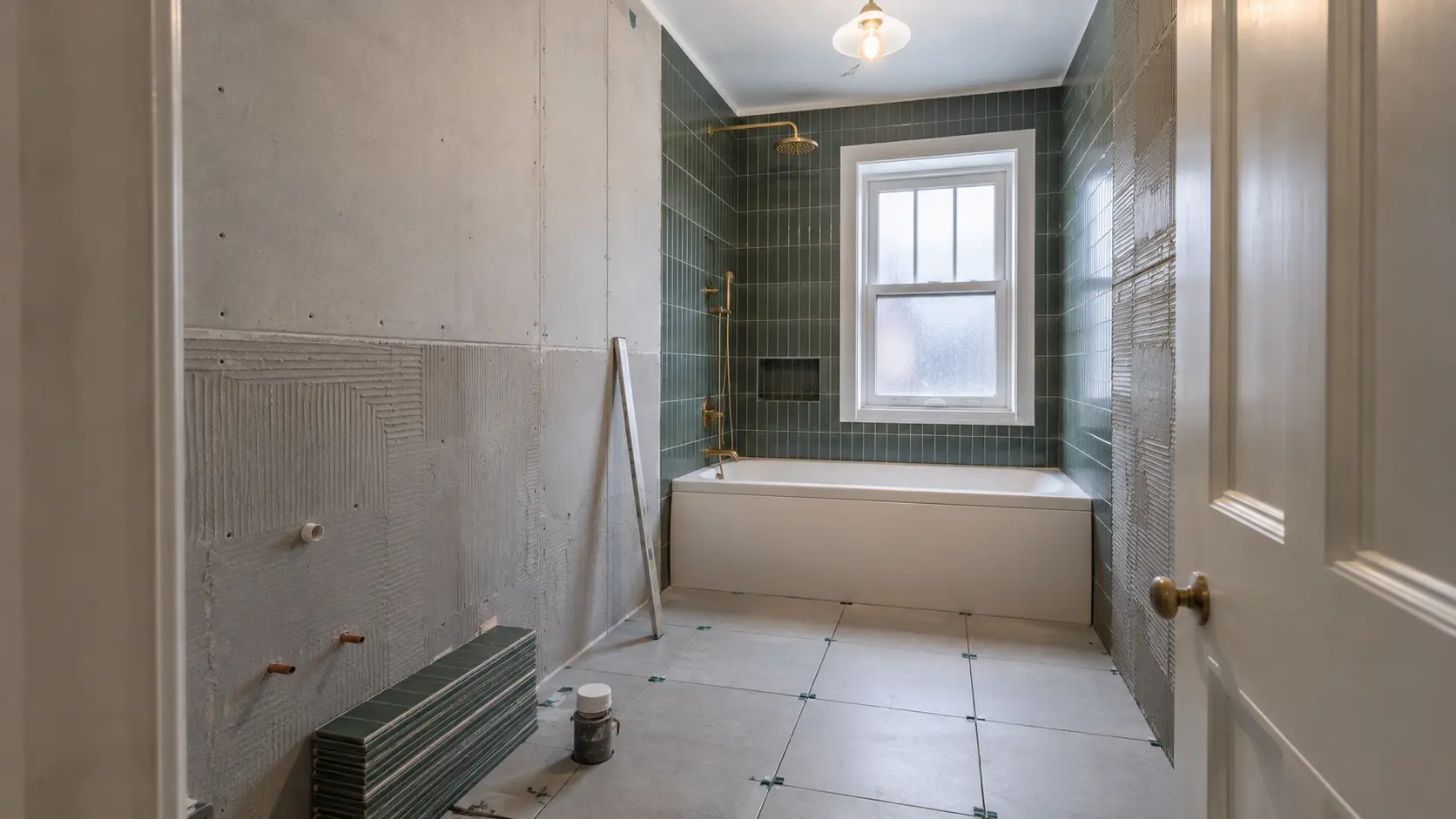
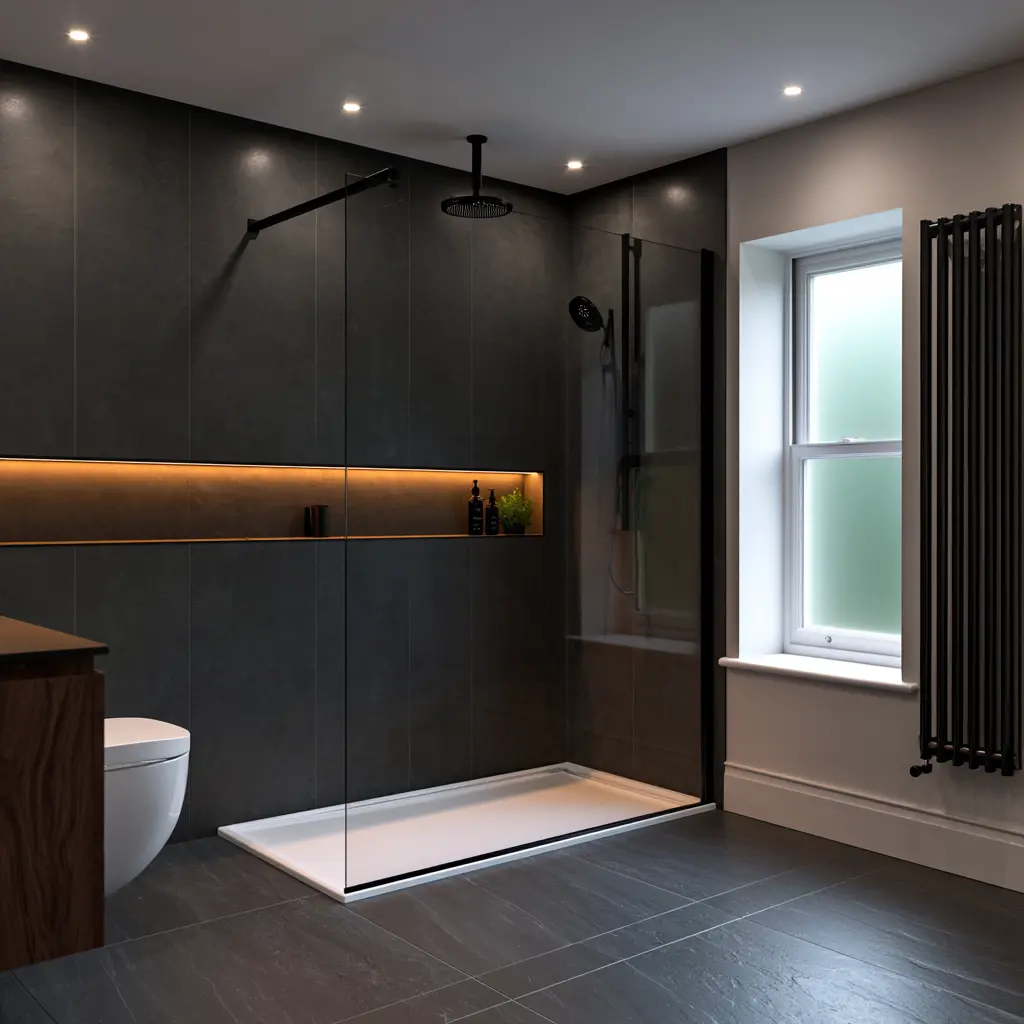
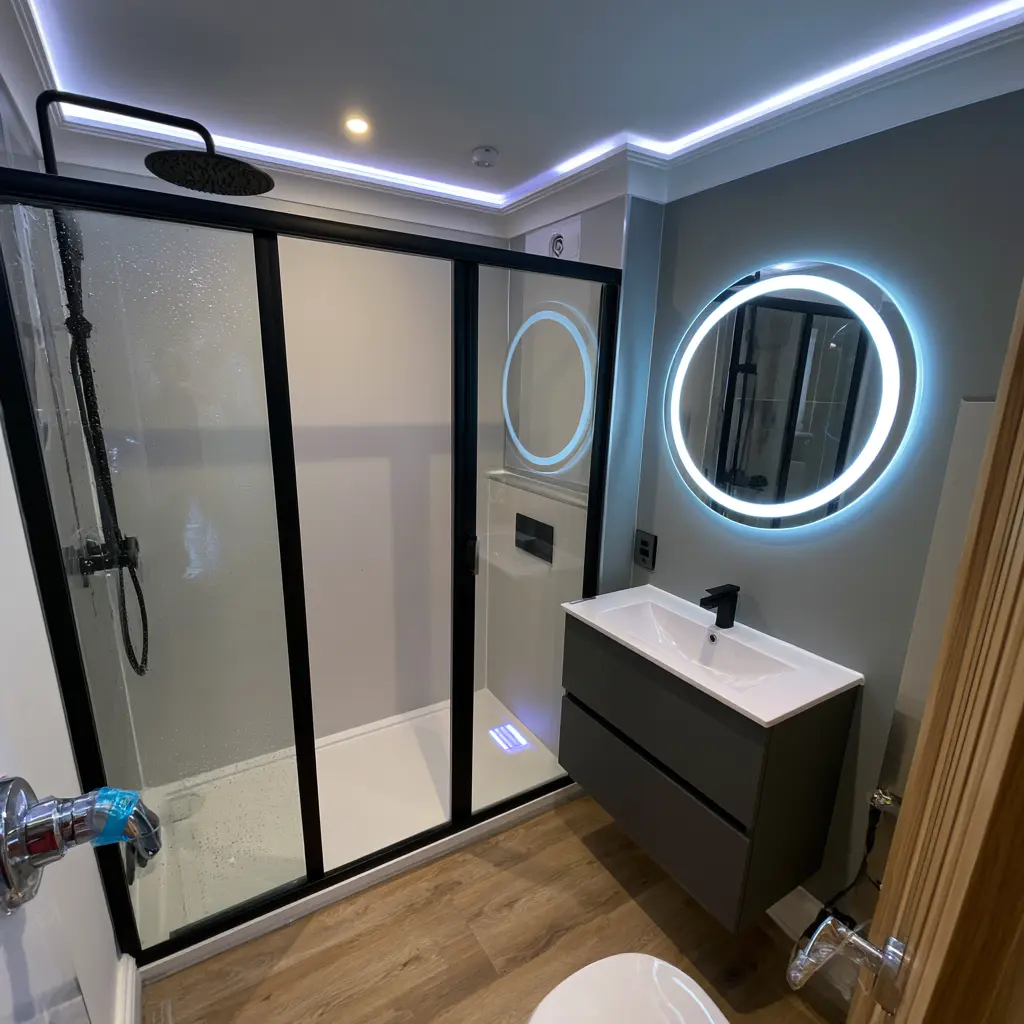
Look at relevant bathroom examples
A good example should be close to the room you are planning: a compact en suite, wet room, family bathroom or bath-to-shower conversion. Ask how hidden problems and final snags are handled.
Keep the agreed scope and important messages in writing.
Evidence that matters more than sales claims
Look for completed bathrooms similar to yours and ask what the team actually handled. A company may show attractive photographs while excluding preparation, electrics or finishing from its service. Relevant examples, a clear explanation and customers who describe how problems were resolved tell you more than a long list of badges.
Check insurance and any registration needed for regulated work. Ask who is responsible for electrical certification where required and how waste is handled. You do not need to interrogate a trustworthy fitter, but straightforward questions should receive straightforward answers rather than pressure or vague promises.
- Relevant completed work
- Clear written quotation
- Named main contact
- Insurance and suitable trades
Watch how the company communicates before the job
The survey and quotation stage is a useful test. Do they listen to the household’s needs, measure carefully and explain compromises? Does the quote arrive when promised? Are questions answered in plain language? Installation requires many small decisions, so communication before you pay is a strong guide to what may happen later.
Be cautious when a large deposit is demanded without a clear product schedule or start plan. Equally, do not choose solely because somebody can begin immediately. A properly planned bathroom depends on available products, suitable trades and an agreed sequence—not just an empty diary.
Make the final comparison in writing
Create a short comparison using the same headings for every company: design, products, removal, preparation, plumbing, electrics, waterproofing, finishes, waste, timescale, payment and aftercare. Mark anything missing rather than assuming it is included. Send focused questions and keep the replies with the quotation.
The best choice should give you confidence about both the finished bathroom and the route to get there. Price matters, but so do clarity, suitable trades, respectful behaviour in the home and willingness to return if something needs attention. Avoid pressure to decide immediately. A reputable fitter should understand that a complete bathroom is a significant household purchase.
- Compare like with like
- Keep answers in writing
- Check aftercare
- Do not accept pressure
What good aftercare should look like
Before choosing the fitter, ask who you contact after handover and how quickly a reported problem is normally acknowledged. Find out what information helps them respond, such as a photograph, product name or short description. A clear aftercare route is reassuring because even well-installed bathrooms contain moving parts and seals that may occasionally need attention.
Keep care guidance and follow it. Damage caused by unsuitable chemicals or ignored maintenance is different from an installation issue. A fair company should explain that distinction plainly, inspect genuine concerns and put right work for which it is responsible. The willingness to discuss aftercare before the sale is a useful trust signal.